Floral Chef Tools: A Designer’s Review for Craft Fairs
As an experienced embroidery designer who has spent countless weekends behind a booth table, I know that the difference between a browsing customer and a buying customer often comes down to visual impact and perceived value. When I first loaded the Floral Chef Tools design into my software, I was looking for more than just cute stitches; I was looking for a reliable craft fair product that could carry a collection. This machine embroidery design promises to give fabrics a charming update, and after putting it through its paces on various materials, I am ready to share how it performs in the real world of handmade sales.
First Impressions and Market Appeal
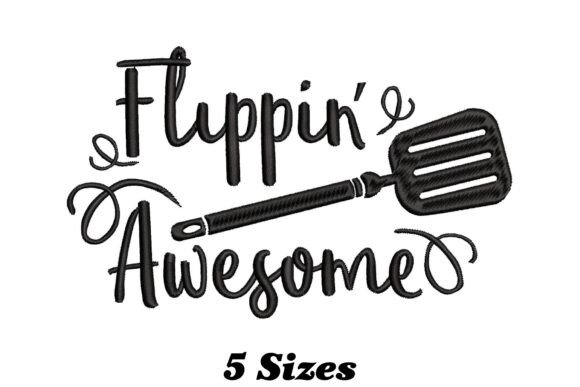
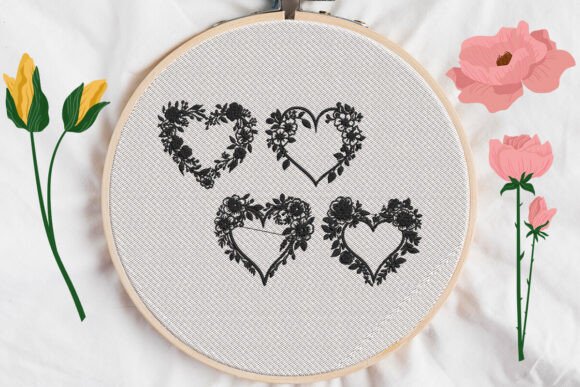
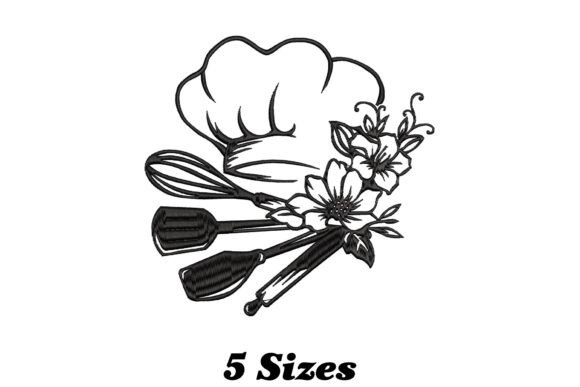
The immediate vibe of Floral Chef Tools is whimsical yet grounded. It strikes a balance between rustic charm and modern quirkiness, which is a sweet spot for today’s buyers. The description mentions adding a fun and quirky flair, and the design delivers on this by softening the utilitarian nature of kitchen items with delicate floral elements. For an Etsy seller or boutique maker, this aesthetic is gold. It feels approachable and warm, avoiding the sterility of mass-produced goods while maintaining a professional finish.
In a crowded market, clarity is key. This design reads well from a distance, which is crucial when customers are walking past your booth. It does not rely on microscopic details that get lost in a glance. Instead, it offers a bold enough silhouette to catch the eye, making it an excellent candidate for a small shop product lineup that needs to stand out among dozens of other vendors.
Versatility Across Product Lines
One of the strongest assets of this embroidery file is its adaptability. I tested it across several common items found in my inventory, and the results were promising for batch production.
- Apron Embroidery: Placing the design on the bib of a canvas apron creates an instant focal point. It transforms a basic utility item into a giftable piece of art.
- Tea Towel Embroidery: On linen or cotton towels, the design adds texture without overwhelming the fabric. It works beautifully as a corner accent or a central motif.
- Tote Bag Design: For market bags, the design holds up well against heavier canvas. It suggests durability and style, two things shoppers look for in reusable bags.
- Embroidered Patch: If you offer custom patches, this design scales down effectively, provided you adjust the density. It makes for a great add-on sale at checkout.
Beyond these staples, consider using it on pillow covers for home decor sections or small fabric pouches for organizing utensils. The "quirky flair" mentioned in the description shines when paired with unexpected items, such as a chef’s hat or a structured lunch bag.
Production Practicality and Stitch Quality
From a production standpoint, time is money. A design that tangles threads or requires excessive trimming eats into profit margins. While the specific stitch count and file format details are not provided in the brief description, experienced crafters know to check these specs before running a large batch. Assuming standard optimization, the design appears to have manageable stitch density. It avoids the trap of being too dense, which can cause puckering on lighter fabrics like tea towels.
However, attention must be paid to thread colors. To maintain the "charming" aesthetic, I recommend using matte cotton threads rather than shiny rayon for a more handmade, artisanal look. Contrast is vital; ensure your thread stands out against the fabric background. A dark green leaf on a navy towel will vanish, whereas a sage green on cream pops beautifully.
Navigating Fabric Texture and Stabilizers
Working with Kitchen textiles presents unique challenges. Tea towels often have a waffle weave or loose texture that can swallow small stitches. For these items, a cut-away stabilizer is non-negotiable to prevent distortion. If you are embroidering on thick canvas for tote bags, a tear-away might suffice, but always test first. The design’s performance relies heavily on the stability of the hoop and the quality of the backing used.
Curved surfaces, like caps or rounded pouches, require careful hooping. If the design includes any fine lines, they may distort on highly curved areas. I advise keeping the placement flat and central whenever possible to preserve the integrity of the floral details.
Maximizing Sales Through Presentation
How you present Floral Chef Tools determines its perceived value. For online listings, a high-quality printable mockup is essential, but nothing beats photos of the actual finished product. Show the design in context: an apron hanging in a sunny kitchen, a tote bag filled with fresh produce, or a towel folded neatly on a counter. These lifestyle shots help buyers visualize the item in their own homes.
At a craft fair, create a cohesive display. Group all items featuring this design together to create a mini-collection. This strategy encourages multiple purchases. A customer might buy one towel, but seeing the matching apron and tote bag often leads to a bundle sale. The consistency of the design across different design assets strengthens your brand identity.
Commercial Licensing and Ethical Selling
Before launching this as a commercial embroidery product, verify the licensing terms of the digital file. Most designers allow finished physical products to be sold, but restrictions may apply to digital redistribution. Ensure you are compliant to protect your business. Transparency with customers about the handmade nature of the item adds value; mention that each piece is stitched with care, distinguishing it from factory-made imports.
Final Verdict for the Handmade Entrepreneur
Floral Chef Tools is a strong contender for any embroidery business looking to expand its Kitchen category. It balances aesthetic appeal with production feasibility. The design is versatile enough to work on everything from delicate linens to sturdy canvas, making it a low-risk, high-reward addition to your portfolio.
To succeed, focus on execution. Test on scrap fabric, refine your color palettes, and ensure your stabilizer choice matches your fabric weight. By treating this digital embroidery file as a core component of your product line, you can create a cohesive, attractive collection that resonates with buyers looking for quality, charm, and uniqueness. Whether you are a seasoned Etsy seller or a new crafter testing the waters at local markets, this design offers the flexibility and flair needed to turn heads and open wallets.
Remember, the best handmade product is one that looks like it was made with love and expertise. With careful attention to detail and strategic placement, Floral Chef Tools can become a staple in your booth, driving engagement and sales throughout the season.