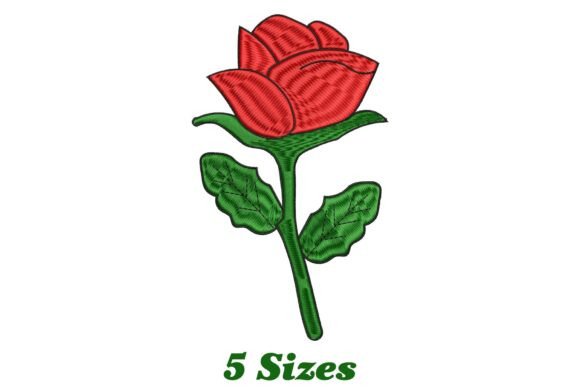
Delicate Rose: A Designer’s Review for Craft Fair Success
As an embroidery designer who has spent countless weekends standing behind booth tables, I know that the difference between a browser and a buyer often comes down to visual impact. When I first loaded the Delicate Rose machine embroidery design into my software, I was looking for more than just pretty petals. I was evaluating its potential as a high-converting craft fair product. This review breaks down how this specific Single Flowers motif performs in the real world of handmade sales, from initial stitch-out to final customer interaction.
First Impressions: Balancing Elegance and Playfulness
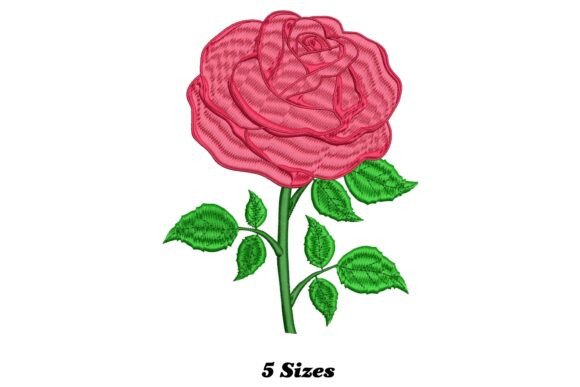
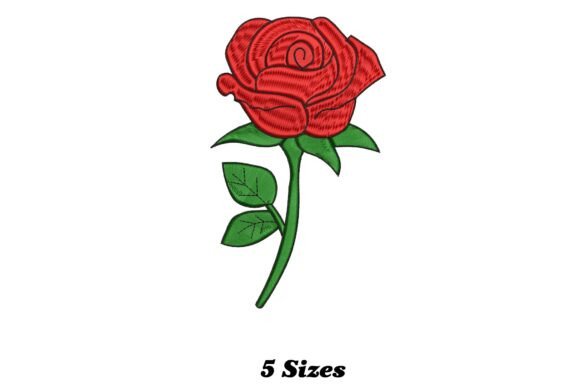
The title suggests softness, but the description promises a "playful and fanciful accent." In my experience, this duality is exactly what sells in today’s market. Customers are tired of overly rigid, traditional florals. They want something that feels fresh. Delicate Rose strikes a balance between elegant simplicity and modern whimsy. It does not scream for attention with aggressive density; instead, it invites closer inspection. For a boutique maker, this is crucial. It feels premium without being ostentatious, making it suitable for a wide range of demographics, from young adults buying their first tote bag to grandparents seeking a thoughtful gift.
Product Versatility: Where This Design Shines
The true test of any digital embroidery file is its adaptability. I simulated a full craft fair inventory using this design to see where it performed best. Here is how Delicate Rose translates across different mediums:
- Tote Bags and Market Bags: This is arguably the strongest application. The design works beautifully as a centered focal point on canvas. It transforms a plain utility item into a stylish accessory. As a tote bag design, it offers enough detail to look expensive but remains clean enough to read from a distance.
- Apron Embroidery: Placing the rose on the bib or pocket adds a touch of personality to kitchen wear. It appeals to the "cottagecore" aesthetic that remains popular among Etsy sellers and handmade enthusiasts.
- Tea Towel Embroidery: Kitchen linens are staple sellers. However, caution is needed here. The fabric texture of waffle weave or terry cloth can distort small details. I recommend testing on flat-weave linen first to ensure the "delicate" nature of the stitches doesn't get lost in the pile.
- Embroidered Patches: If you create iron-on or sew-on patches, this design is ideal. It holds its shape well when saturated with stabilizer, creating a crisp edge that looks professional.
- Caps and Curved Surfaces: While possible, stitching a floral design on a curved cap requires precise hooping. The design must be scaled correctly to avoid distortion. It works best as a small side accent rather than a large front panel feature.
Production Practicality for Small Shop Owners
For those running a small shop product line, time is money. One of the standout features of Delicate Rose is its efficiency. It appears to be optimized for speed without sacrificing quality. When preparing for a busy weekend market, you need designs that are repeatable. This motif allows for batch production. You can hoop multiple items, run the machine, and move on quickly. It does not appear to have excessive jump stitches or complex color changes that would slow down your workflow.
Photography is another critical factor. In online listings, this design photographs exceptionally well. The lines are distinct, allowing for clear printable mockup creation. When you upload these images to your store, the clarity of the embroidery file translates into higher perceived value. Customers can see the quality of the stitch work even through a screen, which reduces hesitation and increases conversion rates.
Critical Considerations: Stitch Density and Fabric Choice
While the design is versatile, it is not without its technical demands. As an experienced designer, I must highlight a few careful-use notes to ensure your finished product meets professional standards.
First, consider stitch density. Although described as delicate, floral designs often require sufficient density to cover the fabric completely. If you are stitching on dark fabric, ensure your underlay is robust to prevent the background color from peeking through. Conversely, on lightweight fabrics like chiffon or thin cotton, too much density can cause puckering. Always use the appropriate stabilizer. For knits like t-shirts, a cut-away stabilizer is non-negotiable to maintain shape after washing.
Second, pay attention to scale. The description mentions adding an accent to "any project," but size matters. If you shrink Delicate Rose too much for a tiny pouch, the finer details may merge, losing the definition that makes it attractive. Always check the recommended hoop size and minimum dimensions provided by the designer. If these specifics are not included in the product description, reach out to the seller or test extensively on scrap fabric before committing to a large batch.
Enhancing Brand Consistency and Visual Appeal
Using a cohesive set of design assets helps build brand recognition. If your shop specializes in floral motifs, Delicate Rose fits seamlessly into a broader collection. It complements other Single Flowers without competing with them. This consistency strengthens your booth display. When customers see a unified aesthetic across your tote bags, pillow covers, and wall hangings, they perceive your brand as professional and curated.
Thread color selection also plays a pivotal role. While the design is fixed, your choice of thread colors can dramatically alter its mood. Soft pastels emphasize the "delicate" aspect, appealing to bridal or baby shower gifts. Bold, contrasting threads can make it pop on denim jackets, attracting a younger, edgier crowd. I recommend creating at least three variations in different colorways to display at your fair. This shows versatility and helps customers visualize the design on their own items.
Final Verdict for Commercial Embroidery
Before you list this as a commercial embroidery product, confirm the licensing terms. Ensure you have the right to sell finished goods made with this machine embroidery design. Once cleared, Delicate Rose is a strong contender for your production lineup. It offers the perfect blend of aesthetic appeal and production efficiency.
To maximize success, start by stitching out samples on your most popular blank products. Compare how the design looks on natural linen versus bright white cotton. Take high-resolution photos for your Etsy seller profile or website. Use these images to create engaging social media content that highlights the texture and craftsmanship of the Embroidery.
In conclusion, Delicate Rose is more than just a pretty picture; it is a strategic tool for craft fair sellers. It addresses the need for quick production, broad appeal, and high visual impact. By paying attention to fabric choice, stabilizer selection, and proper scaling, you can turn this digital file into a best-selling physical product. Whether you are embellishing aprons, creating unique gifts, or expanding your home decor line, this design provides the playful yet sophisticated touch that modern buyers crave. Test it, refine your process, and watch it become a staple in your handmade inventory.