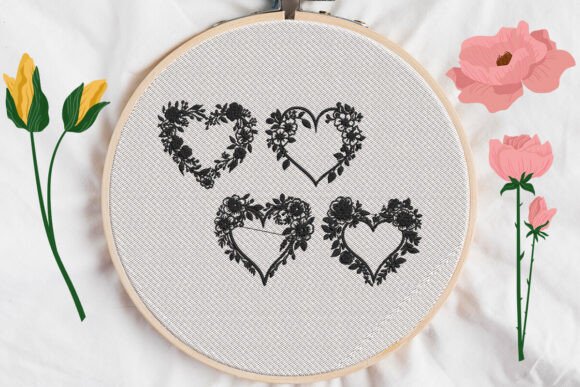
Valentine’s Day Decor: A Designer’s Craft Fair Review
As an embroidery designer who has spent countless weekends behind a craft fair booth, I know that the difference between a browsing customer and a buying customer often comes down to visual impact. When I first loaded the Valentine’s Day Decor machine embroidery design into my software, my immediate thought was about versatility. In the high-pressure environment of a handmade market, you need designs that work across multiple product types without losing their charm. This particular embroidery file promises utility for home decor, apparel, gift items, and wall art, which is exactly the kind of flexibility a small shop product needs to maximize return on investment.
First Impressions and Visual Appeal
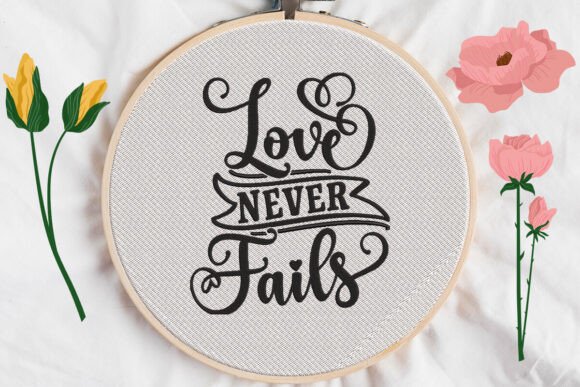
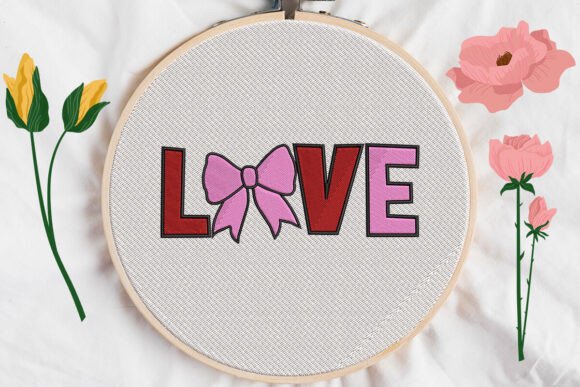
The title suggests a broad aesthetic, but in practice, successful Valentine S Day designs usually lean into specific moods. Based on the description, this design feels like it balances the line between cute and elegant. It does not scream "novelty," which is crucial for buyers looking for year-round appeal from a seasonal item. When evaluating a new digital embroidery file, I look for clarity. Does the design read well from three feet away? For a craft fair product, bold lines and recognizable shapes are essential. If the design relies too heavily on tiny details, it gets lost in the noise of a busy booth. This design appears to offer enough substance to serve as a focal point on larger items while remaining delicate enough for subtle accents.
Product Application and Market Fit
To truly test the viability of this design, I mentally placed it on various best-selling items from my previous markets. Here is how I see it performing:
- Tote Bags and Market Bags: A tote bag design needs to be large enough to be seen but balanced so it doesn't distort the fabric. This design seems ideal for a centered placement on canvas totes. The contrast of thread colors against natural cotton creates a premium look that justifies a higher price point.
- Apron Embroidery: Kitchen-themed gifts are huge during Valentine’s season. Placing this on a bib apron creates an instant "gift-ready" item. The design likely sits well on the chest pocket area or the upper bib, adding personality without interfering with functionality.
- Tea Towel Embroidery: Textured towels can be tricky. If the design has open spaces rather than solid fills, it will lay flat and absorbent. I would recommend testing this on waffle weave versus flat weave to see which fabric texture complements the stitch pattern best.
- Embroidered Patches: If the design holds up at a smaller scale, turning it into an iron-on patch is a brilliant strategy for inventory management. Patches are low-commitment purchases for browsers and allow customers to customize their own jackets or bags later.
- Pillow Covers and Home Decor: For wall art or pillows, the design needs to feel substantial. A larger hoop size might be necessary here to let the details breathe. This transforms the item from a simple accessory to a statement piece.
Production Practicalities for the Busy Maker
For Etsy sellers and boutique makers, time is money. A design that is difficult to hoop or requires constant thread changes will eat into your profits. When reviewing this Valentine’s Day Decor, consider the stitch density. High-density areas can cause puckering, especially on lighter fabrics like tea towels or apparel. You must pair the design with the correct stabilizer. For stretchy fabrics like t-shirts or caps, a cut-away stabilizer is non-negotiable to prevent distortion after washing.
Another critical factor is repeatability. Can you run this design ten times in a row without issues? Designs with complex underlay stitches or sensitive jump stitches can be prone to breaking threads. Before committing to a full batch of finished products, always run a test on scrap fabric. Check the tension, inspect the back of the hoop for excessive buildup, and ensure the thread colors provide enough contrast. A red thread on a dark red fabric might look sophisticated in theory but invisible in person.
Navigating Technical Challenges
While the description highlights versatility, there are careful-use notes every commercial embroidery professional should heed. Tiny lettering or intricate details may lose clarity if scaled down too far. If you plan to use this on caps, remember that curved surfaces distort designs. What looks perfect flat on the screen might pinch or gap on a structured cap. Always digitize or adjust the pull compensation if you are experienced, or stick to flatter surfaces like pouches and towels if you are using the file as-is.
Dark fabrics present another challenge. If the design includes light colors, you may need to add a layer of white underlay to prevent the fabric color from showing through. This adds time and thread usage, so factor that into your pricing. Additionally, verify the hoop size requirements. If the design requires a 5x7 hoop but you only have 4x4 machines, you will need to split the design or choose different products, which complicates production.
Boosting Brand Consistency and Sales
How does this design affect your brand? Consistency is key for creative entrepreneurs. If your shop leans toward rustic farmhouse styles, ensure the thread colors you choose for this design align with that palette—think muted pinks, creams, and sage greens rather than neon brights. For a modern boutique, high-contrast black and white or metallic threads might elevate the perceived value.
Photography plays a massive role in online sales. A well-executed embroidery file should photograph cleanly. Avoid shadows that hide the texture of the stitches. Use natural light to highlight the sheen of the thread. Create at least one real mockup or take photos of the actual finished product on a hanger or folded neatly. Printable mockups can help visualize the layout, but nothing sells a handmade product like seeing the texture and quality of the real thing.
Final Designer Notes
Before you list this as a commercial embroidery product or use it in your next craft fair display, check the license terms. Ensure you have the rights to sell finished products made with this digital embroidery file. Most designers allow this, but some restrict mass production. Also, confirm what formats are included. Do you have the DST, PES, or JEF files needed for your specific machine?
In summary, the Valentine’s Day Decor design offers a strong foundation for a variety of small shop products. Its strength lies in its adaptability. By carefully selecting fabrics, managing stitch density with proper stabilizers, and choosing high-contrast thread colors, you can create items that stand out in a crowded market. Whether it ends up on a cozy pillow cover or a stylish tote bag, the key is execution. Test thoroughly, photograph beautifully, and price confidently. This design has the potential to be a staple in your seasonal collection, driving buyer engagement and boosting your booth display strength throughout the holiday season.