Rose Blossom Embroidery: A Craft Fair Designer’s Review
As an embroidery designer who has spent countless weekends behind a booth table, I know that not every design translates from the screen to the sales floor. When I first loaded the Rose Blossom machine embroidery design into my software, I was looking for more than just pretty petals. I was looking for a workhorse pattern that could carry a small shop product line through a busy holiday market season. This review breaks down how this specific bouquet-style motif performs in the real world of handmade sales.
First Impressions: Playful Elegance for Modern Makers
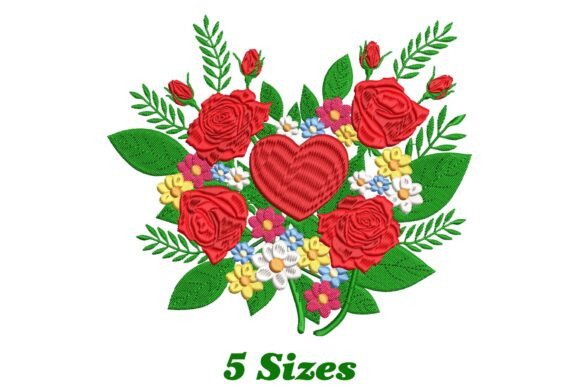
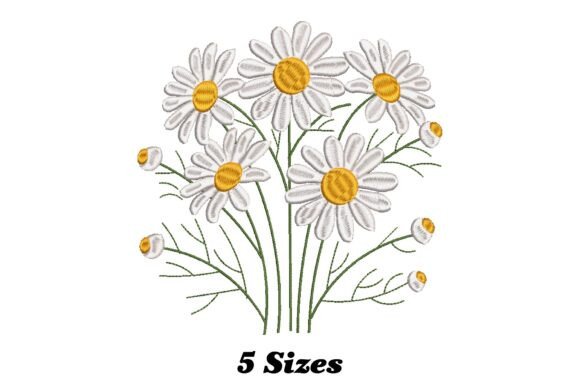
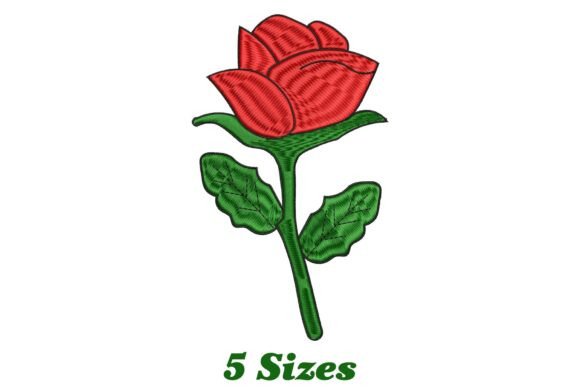
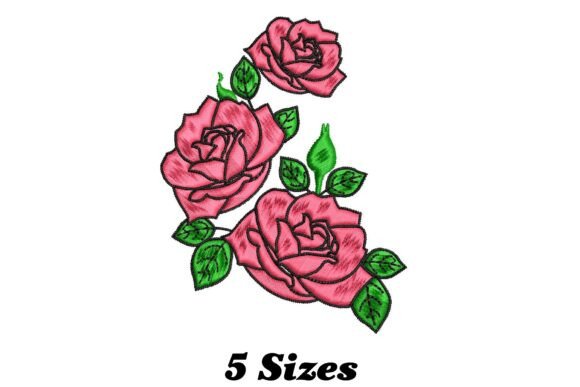
The description promises a "playful and fanciful accent," and visually, Rose Blossom delivers on that promise without sacrificing sophistication. It does not feel overly rustic or strictly farmhouse; instead, it strikes a balance between modern minimalism and classic floral charm. For craft fair sellers, this versatility is gold. It appeals to the customer looking for a subtle upgrade to their home decor as much as it appeals to the buyer wanting a unique fashion statement.
When evaluating the visual weight, the design feels light enough to be approachable but detailed enough to justify a premium price point. It avoids the trap of looking like a generic clip-art flower by incorporating organic curves that suggest movement. This makes it an excellent candidate for boutique makers who want their brand to feel curated rather than mass-produced.
Product Application: Where Rose Blossom Shines
To determine the true value of any digital embroidery file, you must test it across various substrates. Here is how Rose Blossom performs on key craft fair products:
- Tote Bag Design: This is arguably the strongest application. Placed centrally on a canvas tote, the design acts as a focal point that draws the eye from three feet away. It transforms a basic utility item into a fashionable accessory.
- Apron Embroidery: Stitched on the bib of a linen apron, the floral motif adds a touch of whimsy that appeals to cooking enthusiasts and hosts. It elevates the perceived value of the garment significantly.
- Tea Towel Embroidery: Kitchen textiles are high-volume sellers. The design works well here, provided you manage the fabric texture carefully. It adds a decorative touch that makes standard towels feel like giftable handmade products.
- Embroidered Patch: If you offer custom patches, Rose Blossom can be scaled down effectively. However, you must ensure the stitch density remains clear at smaller sizes to avoid a muddy appearance.
- Pillow Covers and Home Decor: As part of a Bouquets collection, this design looks stunning on neutral-toned pillowcases. It provides a pop of color and texture that invites customers to touch the product.
Production Practicality for Etsy Sellers and Small Shops
For the Etsy seller or creative entrepreneur, time is money. One of the biggest advantages of Rose Blossom is its repeatability. The design does not appear to have excessive jump stitches or complex color changes that would slow down batch production. This efficiency is crucial when preparing inventory for a weekend craft fair where you might need to produce twenty identical tote bags or a dozen aprons.
Photography is another critical factor. This design photographs beautifully for online listings because the lines are distinct. Whether you are creating a printable mockup for your shop banner or taking live photos for Instagram, the contrast between the thread colors and the fabric tends to pop, increasing click-through rates and buyer engagement.
Careful-Use Notes and Technical Considerations
While Rose Blossom is versatile, it requires thoughtful execution to maintain its quality. Here are specific technical points to consider before you start stitching:
- Fabric Texture: When working with textured towels or thick canvas, ensure your needle is sharp enough to penetrate without causing puckering. The "playful" nature of the design can be lost if the fabric distorts around the stitches.
- Stitch Density: Always check the stitch density settings in your software. If the design is too dense for lightweight fabrics like t-shirts, it may cause stiffness or tearing. Conversely, on heavy denim, you may need to increase density to ensure coverage.
- Curved Surfaces: If applying this to caps, be mindful of the curvature. A design that looks flat on a hoop may distort on a curved brim. Test on a scrap piece of cap material first to adjust positioning.
- Dark Fabric: If stitching on dark fabrics, consider using a lighter underlay or adjusting thread colors to ensure the details of the rose petals remain visible. Poor contrast can make the design look flat and unappealing.
- Small Details: Avoid scaling the design down too far for tiny items like coin purses. Tiny lettering or fine details may merge together, losing the clarity that makes the design attractive.
Enhancing Brand Consistency and Booth Display
A strong booth display relies on cohesion. Using Rose Blossom across multiple product types—such as matching tote bags and tea towels—creates a visual theme that signals professionalism. It helps customers understand your brand identity quickly. When shoppers see a consistent aesthetic, they are more likely to trust the quality of your commercial embroidery work.
Furthermore, this design serves as an excellent conversation starter. Its fanciful accent invites questions about the process, allowing you to engage with potential buyers. Explaining the care taken in selecting the right stabilizer and thread colors adds narrative value to the finished product, justifying higher price points.
Designer’s Checklist Before Production
Before you commit to a large run of inventory, follow these practical steps to ensure success:
- Test on Scrap Fabric: Never skip the test stitch. Use the same fabric weight and type you intend to sell.
- Check Thread Contrast: Ensure your chosen thread colors stand out against the fabric background. High contrast usually sells better in person.
- Review Spacing and Hoop Size: Confirm that the design fits comfortably within your hoop size without hitting the edges. Leave adequate margin for re-hooping if necessary.
- Inspect Stitch Density: Look for areas where stitches might pile up excessively. Trim jump stitches and optimize the path if needed.
- Use the Right Stabilizer: Match your stabilizer to the fabric. Cut-away for stretchy knits, tear-away for stable wovens.
- Create a Real Mockup: Photograph the actual stitched sample rather than relying solely on digital previews. Customers want to see the texture of the thread.
- Confirm Commercial Licensing: Since the provided description does not explicitly state license terms, you must verify the commercial usage rights of the digital embroidery file before selling finished products. Ensure you are compliant with the designer’s terms for small shop products.
In conclusion, Rose Blossom is a strong contender for any embroidery business owner looking to expand their Bouquets category. It balances aesthetic appeal with production efficiency, making it a reliable asset for both online stores and physical craft fairs. By paying attention to fabric choice and technical execution, you can turn this simple design into a best-selling staple of your handmade inventory.