One Line Woman Girl Face: A Designer’s Review
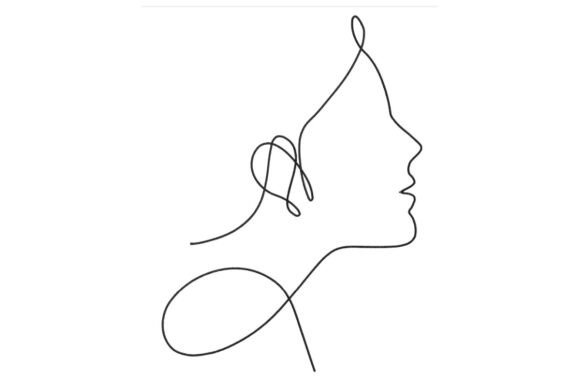
As an embroidery designer who has spent years digitizing files for small business owners, I have learned that the most impactful designs are often the simplest. When I first loaded the One Line Woman Girl Face into my software, my immediate reaction was one of appreciation for its minimalist elegance. In a market saturated with complex, high-density logos, this design stands out by offering a hint of elegance to your fabrics with a playful, quirky touch. For boutique owners and handmade brands, finding a design that balances modern aesthetics with technical feasibility is crucial. This review explores how this specific machine embroidery design can elevate your brand identity and streamline your production process.
First Impressions and Visual Personality
The visual personality of the One Line Woman Girl Face is distinctly modern and artistic. It does not scream for attention; rather, it invites curiosity. The continuous line technique creates a sense of fluidity and grace, making it an excellent choice for businesses in the beauty, wellness, or creative sectors. Unlike traditional embroidered patches that rely on heavy fill stitches, this design relies on outline work. This gives it a lightweight, breathable quality that feels premium rather than bulky.
For Etsy sellers and crafters, this aesthetic is gold. It fits seamlessly into the current trend of "quiet luxury" and minimalist home decor. Whether you are stitching on t-shirts, towels, or home decor items, the design adds a lively yet sophisticated accent. It feels handmade without looking amateurish, which is a difficult balance to achieve in commercial embroidery.
Real-World Applications for Small Business Merch
When evaluating a digital embroidery file for business use, I always ask: where does this live best? The versatility of the One Line Woman Girl Face allows it to perform well across various merchandise categories. Here is how I envision it working in a real-world scenario:
- Staff Uniforms and Aprons: For a local café or florist, placing this design on the chest pocket of an apron adds a personal, artistic touch. It softens the look of standard uniforms and reinforces a brand image that values creativity and care.
- Custom Apparel and Tote Bags: As a tote bag design, it serves as a subtle branding element. Customers who prefer understated style will appreciate a large, bold logo less than this elegant line art. It transforms a simple canvas bag into a fashionable accessory.
- Embroidered Patches: This design is ideal for creating iron-on or sew-on patches. Because it is primarily an outline, it can be produced quickly, reducing machine time and thread costs. These patches can be sold as standalone products or used to brand packaging for handmade goods.
- Cap Embroidery: Placing this on the side panel or back of a cap offers a unique alternative to the standard front-center logo. It appeals to a younger demographic looking for trendy, non-corporate headwear.
For any small business merch strategy, consistency is key. Using this design across different touchpoints—from employee apparel to customer gifts—creates a cohesive visual language. It signals professionalism and attention to detail, which builds customer trust.
Technical Considerations and Production Notes
While the aesthetic appeal is strong, a professional embroidery designer must look at the technical execution. The description notes that this is perfect for stitching on various items, but success depends on proper setup. Since this is a line-based design, stitch density is naturally lower than filled logos. This is generally a benefit, as it reduces puckering and fabric distortion. However, it also means that the stability of the fabric becomes more critical.
Here are my practical notes for producing this design effectively:
- Test on Real Fabric First: Before running a full batch for client approval, always test the embroidery file on the actual material you intend to use. Textured fabric like terry cloth towels may cause the thin lines to get lost or appear uneven compared to smooth cotton or poly-blends.
- Stabilizer Selection: Even with low stitch density, using the correct stabilizer is non-negotiable. For stretchy fabrics like t-shirts, a cut-away stabilizer is recommended to prevent the design from distorting over time. For woven materials like aprons or tote bags, a tear-away may suffice, but always check the tension.
- Thread Color Contrast: Because the design is a single line, contrast is vital. If you are stitching on dark uniforms, ensure you use a bright or metallic thread to maintain visibility. Black thread on black fabric will render the design invisible unless you use a glossy finish to catch the light.
- Hoop Size and Placement: Confirm the hoop size required for your specific machine. While the design is likely small enough for standard hoops, ensure your placement marks are precise. A slightly crooked line drawing is much more noticeable than a slightly crooked block letter logo.
- Check File Details: The product description mentions it is a machine embroidery design, but it does not specify exact stitch counts or file formats. Always verify that you have the correct format (such as PES, DST, or JEF) for your machine before purchasing. Additionally, confirm the commercial licensing terms to ensure you are allowed to sell finished products featuring this design.
Enhancing Brand Identity Through Embroidery
In the world of small business, every detail contributes to brand identity. The One Line Woman Girl Face is more than just a decorative element; it is a strategic asset. For beauty brands, it communicates femininity and modernity. For creative studios, it signals artistic flair. When customers see this level of thoughtful design on a finished product, they perceive higher value.
Using this design in your printable mockup presentations can also help secure client approvals. Show them how the line art looks on a crisp white shirt versus a textured linen tote. Demonstrate the versatility. This proactive approach shows clients that you understand their needs beyond just the stitching process.
Furthermore, this design supports the narrative of the handmade product movement. It feels intentional and curated, distinguishing your work from mass-produced, screen-printed alternatives. In a crowded marketplace, this distinction can be the deciding factor for a buyer choosing between your shop and a competitor.
Final Verdict for Commercial Use
The One Line Woman Girl Face is a versatile and stylish addition to any embroidery designer’s library. It excels in applications where subtlety and elegance are preferred over boldness. It is particularly well-suited for small business merch, custom apparel, and branded accessories that aim to convey a sense of modern sophistication.
However, caution is advised when applying it to highly textured surfaces or very small patch sizes where the line weight might become too thin to stitch cleanly. Always prioritize a test stitch and proper stabilizer use. By treating this design as a core part of your brand identity toolkit, you can create memorable, high-quality products that resonate with your target audience. Whether you are decorating caps, aprons, or tote bags, this design offers a professional finish that enhances the perceived value of your handmade products.