Baby Girl Swing: A Designer’s Real-World Review
As an embroidery designer who has spent years digitizing patterns and reviewing thousands of machine embroidery design files, I have learned that the difference between a good stitch-out and a great one often lies in the subtleties of layout and density. When I first loaded the Baby Girl Swing file into my software, I was looking for more than just a cute motif. I wanted to understand how this specific embroidery file would behave on actual fabric, how it would translate from screen to thread, and whether it held up under the scrutiny of a paying customer.
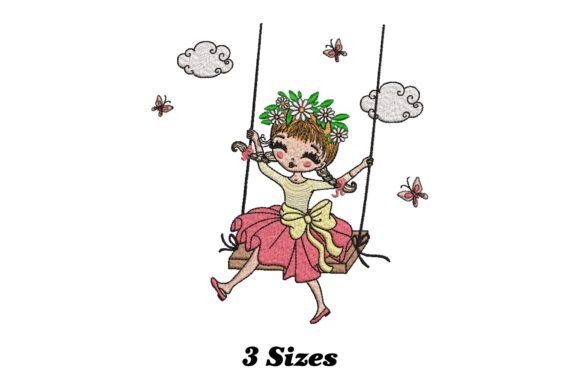
The initial impression of Baby Girl Swing is one of playful charm. The silhouette suggests movement, capturing a moment of childhood joy that resonates well with parents and gift-givers. However, charm alone does not sell products; execution does. In this review, I am evaluating this design not as a static image, but as a functional asset for craft business owners, Etsy seller accounts, and hobbyists who need reliable results for their handmade product lines.
Visual Appeal and Design Personality
The layout of Baby Girl Swing feels balanced, avoiding the common pitfall of overly dense centers that can cause puckering. The lines appear clean, suggesting a mix of satin stitch borders and fill stitch interiors that should provide good coverage without excessive bulk. For a design categorized under Boys in some databases—perhaps due to neutral color potential or theme overlap—it surprisingly leans into a soft, whimsical aesthetic that works universally for baby items. This versatility is a significant advantage for small shop product creators who want to maximize the utility of a single digital embroidery file.
When considering thread colors, this design offers flexibility. Pastels highlight the innocence of the swing motif, while bold primaries can make it pop on darker garments. The visual personality is quirky yet refined, making it suitable for both casual custom apparel and more polished nursery decor.
Real-World Application: The Tote Bag Test
To truly judge a design, you must imagine it in a real-life scenario. I recently prepared a custom order for a boutique client who wanted a set of personalized canvas tote bags for a baby shower. I chose Baby Girl Swing as the central element. The challenge here was the fabric texture of the canvas, which can be unforgiving if the stitch density is too high or the stabilizer is insufficient.
Because the design features open spaces and clear outlines, it translated beautifully onto the textured surface. The running stitch details remained crisp, and the larger filled areas did not distort the fabric. This experience confirmed that the design is robust enough for tote bag design projects where durability and visual clarity are paramount. It also proved effective as a sweatshirt embroidery option, where the softer fleece fabric required a slightly different approach to tension but yielded a cozy, high-quality finish.
Considerations for Challenging Surfaces
While Baby Girl Swing performs well on stable fabrics like cotton and canvas, caution is advised when applying it to stretchy materials or curved surfaces. For embroidered patch creation, the design holds its shape nicely, but on a cap or hat, the curvature might distort the swing’s ropes if the hoop size is not perfectly aligned. Always test on scrap fabric first, especially if you are working with thin or slippery materials.
If you are using this for baby embroidery on onesies, pay close attention to the back of the hoop. Babies have sensitive skin, so ensuring that the stabilizer is trimmed neatly and that there are no harsh jump stitches is crucial. The design’s moderate density helps here, as it does not create a stiff, cardboard-like feel on the garment.
Commercial Viability and Brand Consistency
For commercial embroidery professionals, the value of a design lies in its repeatability and customer appeal. Baby Girl Swing fits seamlessly into collections focused on holiday embroidery, birthday gifts, or new baby announcements. Its quirky accent nature allows it to serve as a standalone feature on a pillow cover or as part of a larger composition on a kitchen towel.
From a branding perspective, using consistent, high-quality motifs like this builds trust. Customers recognize professionalism when the stitching is clean and the design is appropriate for the item. Whether you are creating printable mockup previews for your online store or photographing the finished product for social media, this design photographs well. The contrast between the thread and fabric remains distinct, enhancing the perceived value of your design assets.
Practical Designer Notes
Before committing to a large production run or listing this as a key item in your Etsy listings, consider these technical checks:
- Check Stitch Density: Review the file in your software to ensure the density is appropriate for your specific machine and needle size.
- Test Color Contrast: Try stitching the design in black and white first to see how the details hold up without the distraction of color.
- Confirm Hoop Size: Ensure the design fits comfortably within your standard hoops without requiring excessive re-hooping, which can lead to misalignment.
- Licensing Verification: Always confirm the license terms. While many files allow for commercial use on physical items, selling the digital embroidery file itself is usually prohibited.
- Fabric Compatibility: Test on both light and dark backgrounds to determine if underlay stitches are sufficient to prevent fabric show-through.
In conclusion, Baby Girl Swing is a versatile and charming addition to any designer’s library. It bridges the gap between playful whimsy and professional execution, making it a reliable choice for a wide range of embroidery project types. By understanding its strengths and limitations, you can leverage this design to create standout personalized gift items and high-quality merchandise that customers will love.