Cute Jellyfish: A Designer’s Review for Real Projects
As an embroidery designer who has spent years digitizing and testing thousands of files, I have learned that the difference between a design that sits in a folder and one that becomes a bestseller often comes down to practical usability. When I first loaded the Cute Jellyfish machine embroidery design into my software, I was looking for more than just aesthetic appeal. I wanted to know if it would hold up under the needle on real fabrics, how it would translate to commercial products, and whether it offered the versatility needed for a modern craft business.
The initial impression is charming. The layout captures a whimsical mood that feels approachable and friendly, which is essential for items intended as personalized gifts or boutique merchandise. However, charm alone does not make a viable embroidery file. The true test lies in how the stitch types interact with fabric texture and how the design performs across different hoop sizes and applications.
Visual Personality and Stitch Structure
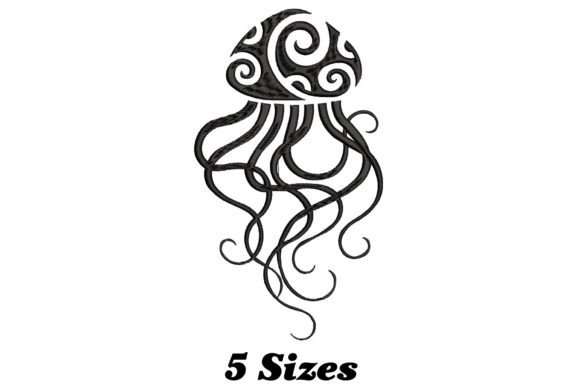
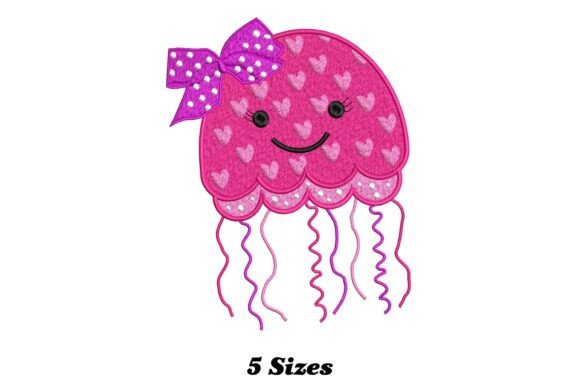
The Cute Jellyfish design relies heavily on clean lines and balanced proportions. In digital embroidery, simplicity is often a strength because it reduces the risk of thread breaks and puckering. This design appears to utilize a mix of satin stitch for outlines and fill stitch for broader areas, creating a tactile depth that looks professional rather than flat. For an Etsy seller or small shop owner, this distinction matters. Customers can instantly recognize the difference between a high-quality embroidered patch and a cheaply printed transfer.
The theme fits naturally into the Fish category without being overly literal or rigid. It allows for creative interpretation in thread colors. Whether you choose pastel tones for baby embroidery or vibrant neons for summer apparel, the design maintains its integrity. This flexibility is crucial for designers who need to create multiple variations for seasonal collections or holiday embroidery themes.
Real-World Application Scenarios
To truly evaluate this asset, I imagined several real-life production scenarios. First, consider custom apparel. Placing this design on a sweatshirt requires careful attention to stitch density. If the fill areas are too dense, the garment may become stiff and uncomfortable. However, if the digitizer has optimized the underlay and pull compensation, the result should be soft and durable. I envision this working beautifully on the left chest of a hoodie or centered on the back of a tote bag design.
Another strong use case is home decor. Stitching this onto a kitchen towel or pillow cover adds a quirky accent that appeals to buyers looking for unique handmade products. The playful nature of the jellyfish makes it an excellent choice for nursery decor or children’s items. For a craft business, offering this as part of a coordinated set—perhaps paired with other sea creatures—can increase average order value and encourage bundle purchases.
For those selling digital embroidery files, providing preview images that show the design on various backgrounds is key. A printable mockup showing the design on a dark navy cap versus a light linen apron helps potential buyers visualize the final product. This transparency builds trust and reduces the likelihood of returns or dissatisfaction.
Navigating Technical Challenges
While the design is versatile, there are specific situations where caution is required. Embroidery on stretchy fabric, such as jersey knits used in t-shirts, demands a stable foundation. Without the correct stabilizer, even a well-digitized file can distort. I recommend testing the design on scrap fabric first to determine the best hooping method. For curved surfaces like caps, the size of the design must fit within the usable area of the cap frame without wrapping around the seams.
Small details can also pose challenges. If the jellyfish features tiny tentacles or fine facial expressions, these elements may merge or break if the needle size is too large or the thread tension is off. Inspecting the design at 100% zoom in your software can reveal potential issues before you commit to stitching on expensive material. Additionally, when working with dark fabric, ensure that your thread colors provide sufficient contrast. A lack of contrast can make the design look muddy and unprofessional.
Hoop size is another critical factor. While the description suggests versatility, you must confirm that the design fits your specific machine’s capabilities. Attempting to resize a complex embroidery file beyond recommended limits can lead to distorted proportions and poor stitch quality. Always check the original dimensions and compare them to your available hoop sizes.
Enhancing Brand Value and Customer Trust
From a business perspective, the quality of your design assets directly impacts your brand consistency. Using a reliable machine embroidery design like Cute Jellyfish ensures that every finished product meets a high standard. This consistency builds customer trust and encourages repeat business. When buyers receive a well-stitched item that looks exactly like the photos, they are more likely to leave positive reviews and recommend your shop to others.
Furthermore, this design can serve as a foundation for customizations. Adding a name or date in a complementary font can transform a generic item into a cherished personalized gift. However, be mindful of lettering size and placement. Tiny lettering near detailed embroidery can get lost or cause registration issues. Keep text simple and legible to maintain the overall aesthetic balance.
Practical Notes for Designers and Makers
Before launching this design in your store or using it for client work, take these practical steps:
- Test on Scrap Fabric: Always run a test stitch-out on the same type of fabric you plan to use for the final product. This helps identify any tension or density issues.
- Check Thread Contrast: Experiment with different thread combinations to see which offers the best visibility and visual appeal on various fabric textures.
- Verify Licensing: Confirm the license terms associated with the digital embroidery file. Ensure you have the right to use it for commercial embroidery projects if you intend to sell finished items.
- Optimize Stabilizer Use: Choose the appropriate stabilizer based on the fabric weight and stretch. Cut-away stabilizers are often better for stretchy fabrics, while tear-away works well for stable woven materials.
- Review Stitch Density: If the design feels too heavy, consider adjusting the density settings in your software or consulting the digitizer’s notes for recommended adjustments.
In conclusion, Cute Jellyfish offers a blend of charm and practicality that suits a wide range of embroidery projects. From custom apparel to home decor, its adaptable nature makes it a valuable addition to any designer’s library. By understanding its technical requirements and leveraging its visual strengths, you can create high-quality handmade products that resonate with customers and elevate your craft business. Remember, the best designs are not just those that look good on screen, but those that perform reliably under the needle and delight the end user.