Robin Bird: A Practical Review for Embroidery Projects
As a designer who has spent countless hours staring at digitized files and watching needles punch through fabric, I have learned that not every cute concept translates into a quality stitched product. When I first loaded the Robin Bird embroidery design into my software, I was looking for more than just aesthetic appeal. I wanted to know if it would hold up under the tension of the hoop, how it would behave on different textile structures, and whether it offered enough versatility for a small business owner or hobbyist to maximize their return on investment.
This review is not about hype. It is about practical application. If you are an Etsy seller, a boutique owner, or a crafter preparing custom orders, you need to know if this file will deliver a professional finish or if it requires significant tweaking before it hits the fabric.
First Impressions and Visual Personality
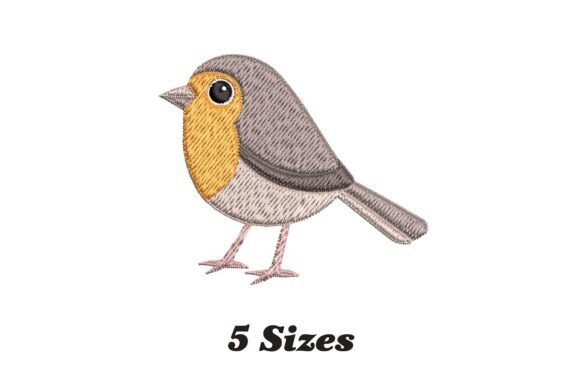
The immediate mood created by Robin Bird is one of whimsical charm. It does not try to be hyper-realistic, which is often a trap for amateur digitizers. Instead, it leans into a stylized representation that feels friendly and approachable. For those working in the Birds category, this distinction is crucial. Realistic birds often require thousands of stitches and complex color blending, whereas this design focuses on shape and silhouette.
The layout appears balanced, with a visual weight that suggests it could anchor a design without overwhelming the garment. The detail level seems moderate, avoiding the microscopic intricacies that frequently cause thread breaks or bird nests in the bobbin area. This makes it an attractive option for both beginners testing their new machines and experienced embroiderers looking for a reliable, quick-turnaround asset.
Real-World Application: The Custom Tote Bag Test
To truly evaluate an embroidery file, you must imagine it in a real-life scenario. Recently, I was tasked with creating a batch of personalized gifts for a local spring market. I chose to test Robin Bird on a heavy canvas tote bag. This is a common project for craft business owners because it offers a large, stable surface area.
The design performed exceptionally well in this context. The stitch density appeared sufficient to cover the coarse weave of the canvas without sinking in, yet it was not so dense that it caused the fabric to pucker excessively. The resulting embroidered patch looked crisp and intentional. Customers at such markets often respond positively to designs that feel handmade but polished. This design bridges that gap effectively, enhancing the perceived value of the finished product.
Beyond tote bags, this design is highly suitable for sweatshirt embroidery. The slightly larger scale of the motif works well on the chest or sleeve of a hoodie, providing a focal point that is visible from a distance. For baby embroidery projects, such as onesies or burp cloths, the whimsical nature of the robin fits the nursery decor aesthetic perfectly, provided the size is scaled down appropriately.
Navigating Fabric Challenges and Hoop Constraints
While Robin Bird is versatile, it is not without its limitations. As with any machine embroidery design, the substrate matters. When working with thin or stretchy fabrics, such as lightweight t-shirts or jersey knits, you must be diligent with your stabilizer choice. A cut-away stabilizer is likely necessary to prevent distortion, especially if the design incorporates any fill stitch areas that pull on the fabric grain.
I also considered how this design would perform on curved surfaces, like caps or hats. While possible, placing a design with this level of detail on a structured cap requires careful hooping and possibly a foam backing to raise the stitches. If you are new to cap embroidery, I recommend testing this specific file on scrap fabric first to ensure the stitch count does not cause excessive bulk.
Dark fabrics present another consideration. If you plan to stitch this on black or navy apparel, you must check the thread colors carefully. Ensure there is enough contrast between the background fabric and the primary colors of the bird. A satin stitch border can help define the edges if the fill stitches blend too much into dark textiles.
Commercial Viability and Brand Consistency
For digital product sellers and commercial embroidery professionals, consistency is key. Robin Bird offers a style that can easily become part of a cohesive brand identity. Whether you are creating holiday embroidery for Christmas ornaments or everyday items like kitchen towels and aprons, the design maintains a consistent visual language.
This consistency builds customer trust. When buyers see a clean, well-executed stitch out on your Etsy listings or printable mockups, they associate that quality with your brand. A sloppy stitch-out can damage reputation quickly, but a clean run of this design reinforces professionalism. It is an asset that supports buyer engagement by offering a clear, attractive visual that translates well in photos and videos.
Technical Notes for the Serious Stitcher
Before you commit to a full production run, there are several technical checks you should perform. First, always verify the hoop size compatibility. While the description suggests it fits various items, you must confirm the exact dimensions match your machine’s capabilities. Second, inspect the stitch density. If the design feels too heavy for your chosen fabric, you may need to adjust the pull compensation or density settings in your editing software.
It is also wise to test the design in black and white mockups. This removes the distraction of color and allows you to see the structural integrity of the stitching. Are there long running stitch travels that could snag? Are the satin stitch columns too wide for the thread type you are using? These are questions only a test stitch can answer.
Finally, always confirm licensing terms. If you are selling finished items or digital embroidery files, ensure you have the right to use Robin Bird for commercial purposes. Respecting intellectual property is fundamental to sustaining a healthy craft business ecosystem.
Final Verdict
Robin Bird is a solid addition to any embroidery library. It balances charm with technical feasibility, making it suitable for a wide range of projects from home decor to custom apparel. It is not just a pretty picture; it is a functional design asset that, when used with proper technique and material knowledge, can elevate your handmade products. For the thoughtful designer willing to test and adapt, this robin is ready to fly.