Review: One Line Butterfly for Modern Embroidery
As an embroidery designer who spends hours digitizing and testing files, I am always on the lookout for designs that balance aesthetic appeal with technical reliability. When I first encountered One Line Butterfly on Creative Fabrica, my initial reaction was one of cautious optimism. The minimalist trend has taken the handmade world by storm, but translating a single continuous line into a machine embroidery design requires careful digitizing to maintain that fluid, hand-drawn look without compromising stitch integrity.
This review explores whether this specific design from the Bugs category is suitable for your next commercial project or personal craft. I evaluated it not just as a digital asset, but as a component of real-world products like tote bags, sweatshirts, and home decor items.
Visual Appeal and Design Personality
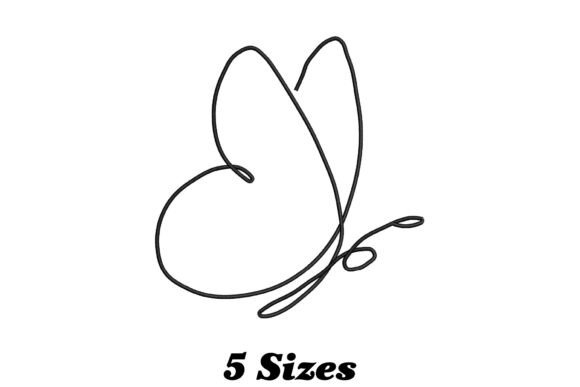
The charm of One Line Butterfly lies in its simplicity. Unlike traditional floral or insect motifs that rely on heavy fill stitches and complex shading, this design uses a continuous path to create the silhouette of a butterfly. This approach gives the finished product a quirky, modern flair that appeals to contemporary buyers. It feels less like a standard catalog item and more like a piece of wearable art.
For embroidery designers and Etsy sellers, this visual mood is crucial. It fits seamlessly into brands that prioritize minimalism, boho-chic aesthetics, or modern nursery decor. The lack of dense stitching means the design sits lightly on the fabric, avoiding the stiff, cardboard-like feel that sometimes plagues larger embroidered pieces. This makes it an excellent choice for garments where comfort is a priority, such as baby blankets or lightweight t-shirts.
Practical Application in Commercial Projects
When considering a new digital embroidery file for commercial use, I always ask: where does this design shine? For One Line Butterfly, the versatility is impressive. Here is how it performs across different product types:
- Custom Apparel: The design works beautifully on sweatshirt embroidery projects. Because it is likely composed of running stitches or light satin elements, it does not add excessive bulk to thick fabrics like fleece or French terry.
- Tote Bag Design: Canvas bags benefit from bold, simple graphics. This butterfly provides a focal point that is elegant without being overwhelming, making it a strong seller for boutique merchandise.
- Kitchen Towels and Aprons: Adding a touch of nature to home goods is a perennial bestseller. The whimsical nature of the bug motif adds a fun update to plain linen or cotton towels.
- Embroidered Patches: If you plan to create iron-on or sew-on patches, this design’s clean lines ensure that the edges remain sharp and defined, even after repeated washing.
For those selling on platforms like Etsy, this design can significantly enhance product photography. The clean lines contrast well against various backgrounds, allowing for high-quality printable mockups that attract customer engagement. It helps build brand consistency if your shop focuses on delicate, nature-inspired themes.
Technical Considerations for Stitching Success
While the design is visually striking, successful execution depends on understanding its technical requirements. Since the product description mentions embellishing t-shirts and towels, we can infer that the design is optimized for general-purpose use. However, there are critical factors to consider before loading the file into your machine.
Fabric and Stabilizer Choice
Because this is a line-based design, it may lack the structural density of a full fill stitch pattern. On stretchy fabrics like jersey knits used for t-shirts, proper stabilization is non-negotiable. I recommend using a cut-away stabilizer for garments that will undergo frequent washing to prevent puckering. For woven fabrics like towel material or canvas, a tear-away stabilizer may suffice, but always test on scrap fabric first.
Thread Color Contrast
The impact of One Line Butterfly relies heavily on visibility. On dark fabrics, ensure you use a high-contrast thread color, such as white, metallic, or bright pastels. On light fabrics, darker threads will make the continuous line pop. Always check thread color contrast on your specific material before committing to a final product.
Hoop Size and Placement
One of the advantages of minimalist designs is their adaptability to smaller hoop sizes. This makes the design ideal for caps or small accessories like baby bibs. However, because the design is likely small to medium in scale, precision in hooping is essential. Misalignment is more noticeable in simple designs than in complex, dense patterns. Take time to center the design accurately, especially when working on curved cap surfaces.
Evaluating Value for Handmade Businesses
For creative entrepreneurs, the value of a design asset is measured by its ability to generate sales and maintain quality. One Line Butterfly offers a low-risk entry point for expanding your product line. It does not require expensive specialty threads or complex multi-hooping techniques, which reduces production time and material costs.
Furthermore, the "quirky flair" mentioned in the description resonates with buyers looking for personalized gifts. A simple butterfly embroidered on a pillow cover or a child’s shirt feels thoughtful and unique. It elevates the perceived value of the handmade product without requiring hours of machine runtime.
When listing these items, emphasize the quality of the stitch work. Buyers appreciate knowing that the design was chosen for its durability and aesthetic appeal. Highlighting that the design is suitable for frequent washing (when properly stabilized) can build buyer trust and reduce return rates.
Final Verdict and Best Practices
Before downloading any Creative Fabrica embroidery product, always review the specific file details. Check the available formats to ensure compatibility with your machine brand, whether it is Brother, Janome, Husqvarna, or another system. Verify the license terms to confirm that you are allowed to sell finished physical products made with the design.
To get the best results with One Line Butterfly:
- Test on Scrap Fabric: Always run a test stitch-out on the same type of fabric you intend to use for the final product. This helps you identify any tension issues or thread breaks.
- Inspect Small Details: After stitching, examine the start and end points of the line. Ensure there are no loose threads or jumps that detract from the continuous look.
- Compare Mockups: Create digital mockups on both light and dark backgrounds to see how the design translates visually before marketing it.
- Check Stitch Density: If the design feels too light on certain fabrics, consider adding a subtle backing or adjusting your stabilizer type rather than altering the digitized file itself.
In conclusion, One Line Butterfly is a charming addition to any embroidery designer’s library. It bridges the gap between artistic expression and practical application, offering a versatile solution for custom apparel, home decor, and handmade gifts. By paying attention to stabilizer choices and thread contrast, you can leverage this design to create high-quality, commercially viable products that stand out in a crowded market.