Baby Zebra: A Designer’s Review for Boutique Sweatshirts
As an embroidery designer who has spent years refining digitizing techniques for small clothing brands, I approach every new machine embroidery design with a critical eye. It is not just about whether the file opens correctly; it is about how the design translates from a digital concept into a tactile, premium finished product. Recently, I evaluated the Baby Zebra design for an upcoming limited drop of sweatshirts intended for a boutique brand focused on cozy, high-quality essentials. This review breaks down why this specific piece from the Baby Animals category stands out as a versatile asset for modern custom apparel.
First Impressions and Aesthetic Mood
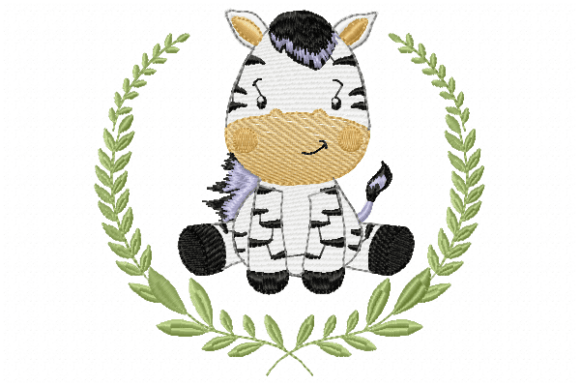
The initial visual impact of Baby Zebra is one of gentle playfulness balanced with clean lines. In the world of Embroidery, animal motifs can often lean too far into cartoonish territory or become overly complex, losing detail when scaled down. However, this design strikes a careful balance. It feels inherently cute without sacrificing sophistication, making it ideal for a boutique brand that wants to appeal to parents looking for stylish baby gifts or adults who appreciate whimsical, nostalgic aesthetics.
The layout appears well-centered, suggesting that the digitizer considered the natural flow of thread. For a project involving neutral sweatshirts—think oatmeal, soft grey, or muted sage—the contrast of the zebra’s stripes offers a striking yet harmonious visual. On darker fabrics, such as charcoal or navy, the design would require careful selection of thread colors to ensure the lighter tones pop without looking stark or cheap. The mood is decidedly casual but polished, fitting perfectly into the current trend of elevated loungewear.
Strategic Placement for Sweatshirt Embroidery
When planning a sweatshirt embroidery run, placement is everything. I tested the scalability of Baby Zebra across three key areas: the left chest, the sleeve, and the upper back.
- Chest Placement: At a smaller scale, the design works beautifully as a left-chest logo replacement. It adds a touch of personality to oversized hoodies without overwhelming the garment. This is crucial for Etsy seller shops where minimalism often drives higher perceived value.
- Sleeve Accents: Placing the zebra on the lower sleeve creates a subtle detail that customers notice up close. This placement is excellent for handmade product differentiation, giving the item a custom, bespoke feel.
- Back Designs: For a bolder statement, scaling up the design for the upper back transforms the sweatshirt into a standout piece. Here, the detail level of the embroidery file must hold up. Fortunately, the clean lines of the zebra suggest it will maintain readability even at larger sizes, provided the stitch density is appropriate for the fabric weight.
Technical Considerations for Commercial Production
For any small shop product launch, technical reliability is non-negotiable. Before running a full batch of commercial embroidery, there are several practical concerns to address regarding Baby Zebra.
First, consider the fabric texture. Sweatshirts and hoodies are typically made from fleece or French terry, which have a pile that can swallow fine stitches. To combat this, I recommend using a cut-away stabilizer rather than tear-away. This ensures the design remains stable and does not pucker after washing. The stitch density of the design should be checked in your software; if it is too dense, it may cause stiffness on softer fabrics. If it is too light, the fabric might show through the stripes.
Another critical factor is the hoop size. While the product description notes that the design comes in multiple formats, you must verify that the specific size you choose fits within your machine’s hoop capabilities while allowing enough margin for the garment’s thickness. Always check the exact dimensions and file format compatibility before production begins. Since the description mentions it is a digital embroidery file suitable for various machines, ensure you download the correct extension for your specific hardware to avoid conversion errors that could alter stitch paths.
Elevating Brand Identity and Product Value
Integrating Baby Zebra into your collection does more than just decorate a garment; it enhances brand identity. For creative entrepreneurs, consistent use of themed design assets helps build visual recognition. A zebra motif suggests a love for nature, innocence, and playful elegance. When paired with high-quality blanks, this design signals to the buyer that the item is a premium handmade product, not mass-produced fast fashion.
From a marketing perspective, this design lends itself well to lifestyle product photography. Imagine a printable mockup or a real-life photo of a child wearing the sweatshirt in a natural, sunlit setting. The contrast of the black and white stripes against soft pastels creates an engaging image that stops the scroll on social media. This visual appeal directly influences customer engagement and can justify a higher price point, increasing buyer trust in your custom apparel offerings.
Versatility Across Seasons and Styles
One of the strongest attributes of Baby Zebra is its seasonal flexibility. While it fits naturally into spring collections with pastel backgrounds, it also works for cozy winter apparel. On a rustic, earth-toned hoodie, the zebra adds a unexpected graphic element that feels modern and fresh. It is decorative enough to serve as a focal point but minimal enough to remain timeless.
For those selling on platforms like Etsy, having a design that appeals to both gift-givers and personal buyers expands your market reach. The description notes it can be used as a nice gift for a baby, which opens up opportunities for bundle listings—pairing the embroidered sweatshirt with matching accessories or creating a curated gift set. This versatility makes the embroidery file a valuable addition to any digital library.
Final Verdict for Designers
In conclusion, Baby Zebra is a robust choice for designers looking to add character to their sweatshirt embroidery projects. It balances aesthetic charm with technical practicality, provided you pay attention to stabilizer choice and thread contrast. Whether you are creating a hoodie design for a trendy teen line or a soft baby gift, this motif delivers a professional finish. Remember to always test stitch on your specific fabric blend before committing to a full run, and double-check the included formats to ensure seamless integration into your workflow. With careful execution, this design can become a signature element of your boutique brand, driving both sales and customer loyalty.